
Silent Decay: The Hidden Cost of Poor Ventilation
In the hierarchy of construction priorities, ventilation rarely gets the spotlight. Foundations are poured with precision, roofs are engineered against the elements, and finishes are chosen for durability and appeal. Yet, hidden behind ceilings and sealed within wall cavities, ventilation quietly determines whether a building ages gracefully or deteriorates prematurely.
Across South Africa, from coastal homes battling humid air to inland properties facing temperature swings, poor ventilation is one of the most persistent and underestimated threats to structural integrity. It does not announce itself with dramatic failures. Instead, it operates slowly, almost politely, allowing moisture to settle, materials to weaken, and decay to take root over years.
Understanding how this process unfolds is not only useful for engineers and contractors. It is essential knowledge for property owners, developers, and maintenance teams who want buildings to last.
The Role of Ventilation in Building Health
Ventilation is often reduced to a comfort feature, associated with fresh air and temperature regulation. In reality, it performs a far more critical function. It manages moisture, regulates air pressure, and prevents the accumulation of pollutants within enclosed spaces.
In any occupied building, moisture is constantly generated. Cooking, bathing, breathing, and even indoor plants contribute to humidity levels. Without adequate airflow, this moisture has nowhere to go. It lingers in the air, settles on surfaces, and eventually penetrates materials.
In South Africa’s varied climate zones, this issue becomes even more pronounced. Coastal regions such as Durban experience high ambient humidity, while inland cities like Johannesburg face daily temperature fluctuations that encourage condensation. In both cases, poor ventilation accelerates the same underlying problem: trapped moisture.
Moisture: The Invisible Intruder
Moisture is the primary agent of damage in poorly ventilated buildings. It enters quietly, often undetected, and begins interacting with materials at a microscopic level.
When warm, moisture-laden air comes into contact with cooler surfaces, condensation forms. This is particularly common on windows, metal components, and poorly insulated walls. Over time, repeated condensation cycles create a damp environment that fosters deterioration.
Unlike water leaks, which are visible and immediate, moisture from poor ventilation accumulates gradually. It seeps into porous materials such as plaster, timber, and concrete, altering their physical properties.
The result is not immediate collapse, but a slow erosion of performance. Walls lose strength, finishes degrade, and structural elements become compromised.
The Impact on Structural Materials
Different construction materials respond to moisture in different ways, but none are immune to its effects.
Timber, widely used in roofing structures and interior frameworks, is particularly vulnerable. When exposed to persistent moisture, it absorbs water and swells. This creates internal stress within the material, leading to warping and cracking. Over time, it also becomes susceptible to fungal growth and rot, which significantly reduces its load-bearing capacity.
Steel components, commonly found in reinforced concrete and roofing systems, face a different threat. Moisture exposure leads to corrosion, a chemical reaction that weakens the metal. As steel corrodes, it expands, causing surrounding concrete to crack and spall. This not only affects structural integrity but also exposes more steel to the environment, accelerating the process.
Concrete itself is not immune. While often perceived as impermeable, it is actually porous. Moisture can penetrate its surface, carrying salts and other contaminants. In coastal regions, this often leads to chloride-induced corrosion of embedded steel, a major cause of structural failure.
Even finishes such as paint and plaster are affected. Damp conditions cause paint to blister and peel, while plaster may soften and crumble. These are often the first visible signs of a deeper problem.
The Rise of Mould and Fungal Growth
One of the most immediate consequences of poor ventilation is the growth of mould. While often dismissed as a cosmetic issue, mould is both a health hazard and a sign of underlying moisture problems.
Mould thrives in damp, poorly ventilated environments. It feeds on organic materials such as wood, paper, and even certain types of insulation. Once established, it spreads rapidly, releasing spores into the air.
In residential buildings, this can lead to respiratory issues and allergic reactions. In commercial and public buildings, it can create compliance challenges and liability risks.
From a structural perspective, mould indicates that moisture levels are consistently high enough to support biological growth. This suggests that materials are being exposed to conditions that will eventually lead to decay.
Condensation and Thermal Bridging
Condensation is not always a result of high humidity alone. It is often linked to thermal bridging, a condition where heat flows through a building element more easily than surrounding materials.
In poorly designed or constructed buildings, thermal bridges occur at junctions such as window frames, wall-to-roof connections, and structural supports. These areas become colder than their surroundings, making them prime locations for condensation.
Without proper ventilation to remove moisture-laden air, these نقاط become persistent damp spots. Over time, this leads to localized damage, including staining, material degradation, and mould growth.
In South Africa, where energy-efficient building practices are becoming more common, the risk of condensation increases if ventilation is not properly integrated. Airtight buildings require deliberate airflow strategies to prevent moisture buildup.
Roof Spaces and Ceiling Cavities
Roof spaces are among the most vulnerable areas in any building. They are often out of sight and out of mind, yet they play a crucial role in ventilation.
Inadequate roof ventilation allows hot, moist air to accumulate beneath the roof covering. This creates a high-humidity environment that affects timber trusses, insulation, and ceiling boards.
During colder periods, this trapped air can condense on the underside of roofing materials, dripping onto structural components. Over time, this leads to rot, corrosion, and insulation degradation.
In South African homes, particularly those with tiled roofs, blocked or insufficient vents are a common issue. Dust, debris, and poor maintenance reduce airflow, allowing moisture to build up unchecked.
Subfloor Ventilation and Rising Damp
While roof spaces deal with airborne moisture, subfloor areas face a different challenge. Moisture from the ground can rise into the building through capillary action, a process known as rising damp.
Proper subfloor ventilation helps to dissipate this moisture before it enters the structure. Without it, damp conditions develop beneath the building, affecting floor finishes and structural supports.
Timber floors may warp or decay, while concrete slabs can become damp and cold. This not only damages materials but also creates uncomfortable living conditions.
In older South African buildings, where damp-proofing measures may be inadequate, poor subfloor ventilation exacerbates the problem.
Energy Efficiency and Ventilation Trade-offs
Modern construction increasingly prioritises energy efficiency. Buildings are designed to minimise heat loss, often through improved insulation and airtight construction.
While this reduces energy consumption, it also limits natural airflow. Without mechanical ventilation systems, moisture becomes trapped inside.
This creates a paradox. A building may be energy-efficient but prone to moisture-related damage. The solution lies in balanced design, where ventilation is integrated alongside insulation.
In South Africa, where energy costs are rising and sustainability is a growing concern, this balance is particularly important. Poorly ventilated energy-efficient buildings may incur higher maintenance costs over time.
Maintenance Challenges and Long-Term Costs
The effects of poor ventilation are rarely immediate, which makes them easy to overlook during routine inspections. By the time visible signs appear, damage is often already advanced.
Maintenance teams may address symptoms rather than causes. Peeling paint is repainted, mould is cleaned, and damaged materials are replaced. However, if ventilation issues are not resolved, the problems return.
This cycle increases maintenance costs and reduces the lifespan of building components. In commercial properties, it can also lead to operational disruptions and tenant dissatisfaction.
Over time, the cumulative impact of poor ventilation can significantly reduce property value. What begins as a minor oversight becomes a major financial liability.
Climate Considerations in South Africa
South Africa’s diverse climate presents unique ventilation challenges. Coastal regions experience high humidity and salt-laden air, which accelerate corrosion and moisture-related damage.
Inland areas face large temperature variations, increasing the likelihood of condensation. Semi-arid regions may appear less vulnerable, but poorly ventilated buildings can still trap moisture generated internally.
Seasonal changes also play a role. Summer rains increase humidity levels, while winter conditions promote condensation. Effective ventilation must account for these variations to maintain consistent indoor conditions.
Practical Strategies for Improving Ventilation
Addressing ventilation issues requires a combination of design, maintenance, and awareness. While solutions vary depending on the building type, certain principles apply broadly.
Natural ventilation can be improved through the strategic placement of windows, vents, and openings. Cross-ventilation allows air to flow through a building, reducing moisture levels.
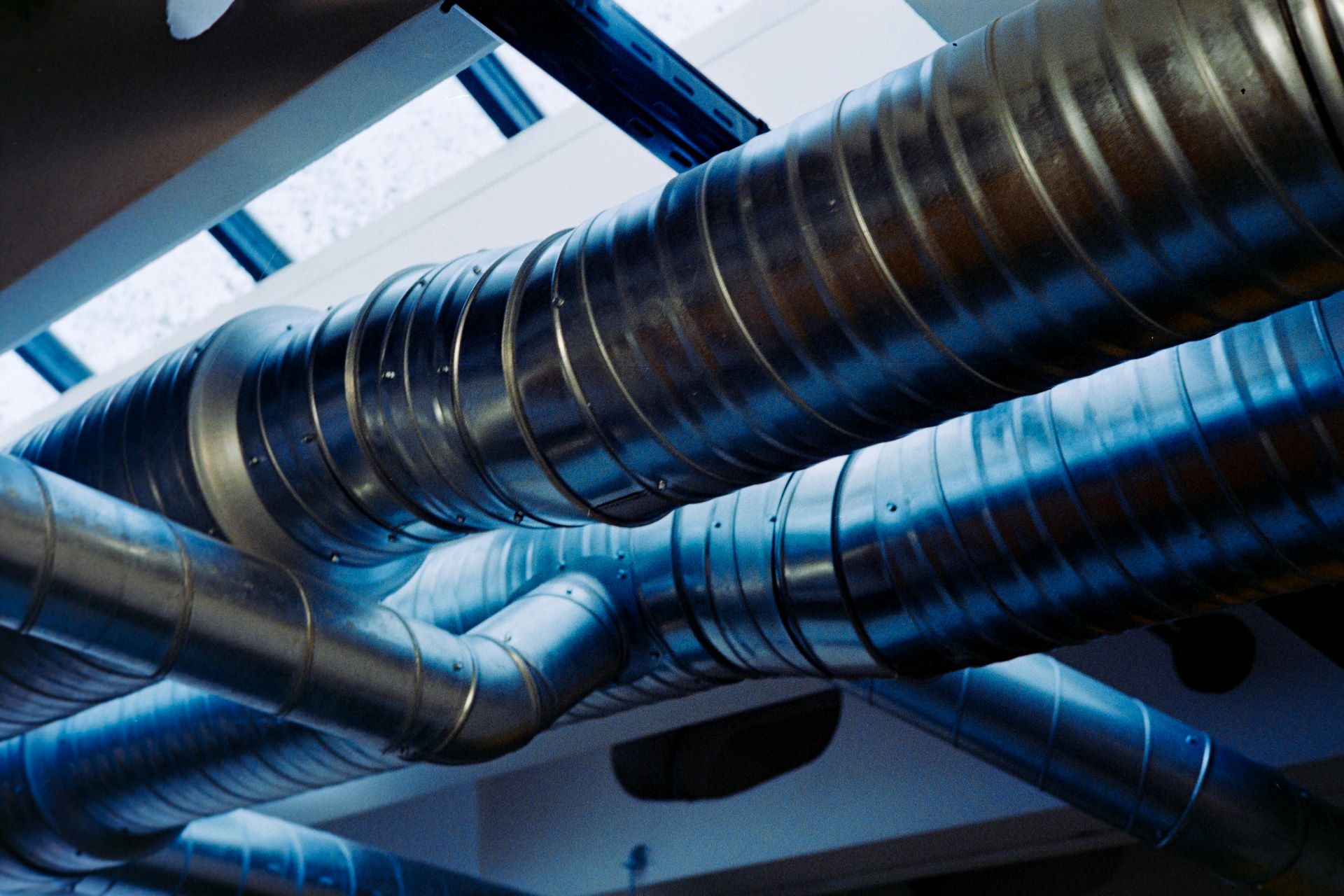
Mechanical ventilation systems provide more controlled airflow. Extractor fans in kitchens and bathrooms help remove moisture at its source, while whole-building systems ensure consistent air exchange.
Regular maintenance is equally important. Vents must be kept clear, and airflow pathways should be inspected periodically. Small obstructions can significantly reduce ventilation effectiveness.
In retrofit scenarios, adding ventilation features may require careful planning. However, the cost of improvement is often far lower than the cost of repairing moisture damage.
The Role of Awareness in Building Longevity
Perhaps the most significant challenge is not technical but perceptual. Ventilation is often invisible, and its benefits are not immediately apparent. As a result, it is frequently undervalued in both construction and maintenance.
Raising awareness among property owners, developers, and occupants is essential. Understanding how ventilation affects building health can lead to better decisions at every stage, from design to daily use.
Simple actions, such as using extractor fans, opening windows, and monitoring indoor humidity, can make a meaningful difference.
Poor ventilation is a quiet adversary. It does not crack walls overnight or collapse roofs without warning. Instead, it works slowly, weaving moisture into the fabric of a building until materials weaken and decay takes hold.
In South Africa’s varied and often demanding climate, the stakes are even higher. Buildings must contend with humidity, temperature shifts, and environmental exposure, all of which amplify the effects of inadequate airflow.
By recognising ventilation as a fundamental component of building performance, rather than an optional extra, property stakeholders can protect their investments and extend the lifespan of their structures.
The lesson is simple but often overlooked. Air must move, or damage will follow.