
Maintaining Joburg Warehouses for Heavy Loads Safely
Warehouses in Johannesburg are the backbone of South Africa’s logistics and manufacturing sectors. From sprawling industrial hubs in Linbro Park to high-capacity storage facilities in Isando, these structures are constantly under strain. Floors bear the weight of heavy machinery and pallets stacked high with goods. Roofs endure the stress of changing weather patterns, from searing summer heat to sudden downpours. Storage systems face constant pressure from forklifts, trolleys, and human activity. The cumulative effect of these daily stresses makes proactive maintenance, strategic material choices, and strict safety protocols essential for longevity, operational efficiency, and worker safety.
The Hidden Strain on Floors
Warehouse floors are more than just flat surfaces—they are structural lifelines. In Johannesburg, concrete floors are the industry standard, yet even high-strength concrete can suffer fatigue when subjected to repeated heavy loads. Pallet racking, forklifts, and storage drums can induce micro-cracks that, if left unchecked, expand into structural weaknesses over time.
Material upgrades are a cornerstone of heavy-load resilience. Epoxy-coated floors, for instance, offer enhanced durability against abrasion, chemical spills, and moisture intrusion. Reinforced concrete with fiber additives can distribute weight more evenly, reducing stress points and prolonging floor life. For facilities handling extremely heavy machinery or high traffic volumes, industrial-grade polished concrete or high-performance overlays may be warranted.
Preventive maintenance is equally critical. Regular inspections should identify hairline cracks, spalling, and surface wear. Floor flatness must be monitored to avoid uneven loading that can compromise racks and machinery. Even small deviations can accumulate, leading to costly repairs or operational hazards.
Roofs Under Pressure
Roofs in Johannesburg warehouses face dual threats: structural load and environmental stress. The city’s summer storms bring intense rainfall, while winter can introduce thermal stress through repeated heating and cooling cycles. Corrugated steel sheets, commonly used for roofing, are prone to rust, fatigue, and loose fasteners if not maintained.
Material considerations can significantly extend roof lifespan. Galvanized steel or aluminum roofing systems resist corrosion, while insulated panels can mitigate thermal expansion and reduce energy costs. For older warehouses, retrofitting with tensioned membranes or reinforced roofing overlays can improve load distribution and leak resistance.
Preventive checks should be scheduled seasonally. Drainage systems must be clear to prevent water accumulation, which adds substantial weight and accelerates deterioration. Regular inspections for loose screws, fasteners, and weakened trusses prevent sudden failures that could compromise the safety of the entire facility.
Optimising Storage Systems
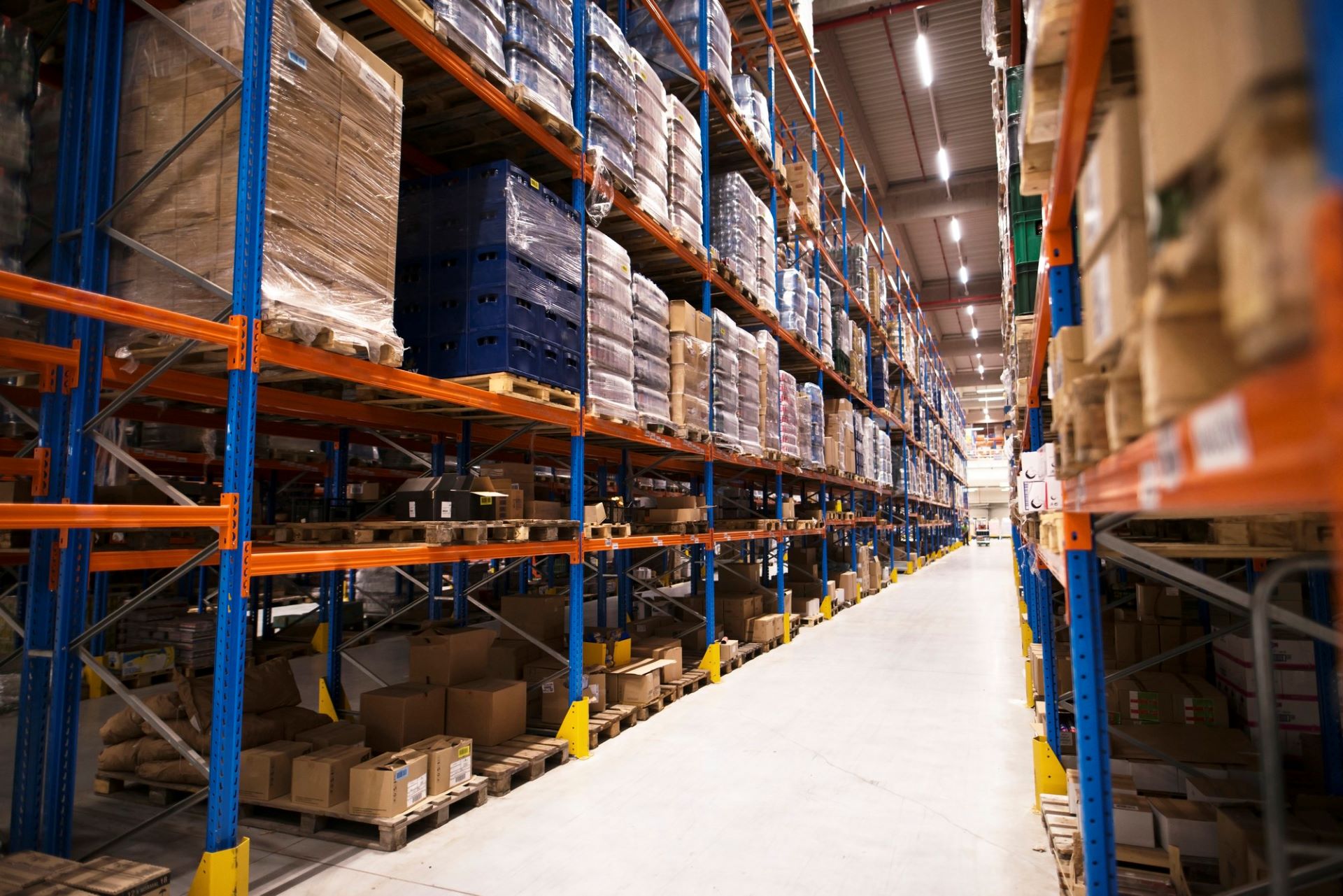
Racking and shelving systems are the lifeblood of warehouse operations, yet they endure relentless strain. Overloading racks, uneven weight distribution, and improper installation can cause catastrophic collapses.
Material upgrades play a vital role in mitigating these risks. High-tensile steel for racking provides both strength and flexibility. Powder-coated finishes protect against rust and wear, while modular designs allow for weight adjustments and future expansions without compromising integrity.
Preventive protocols should extend beyond structural checks. Warehouse managers must ensure forklifts are operated according to weight limits, and staff receive training on safe loading techniques. Even a single overloaded pallet or misaligned beam can initiate a chain reaction, undermining operational safety and efficiency.
Safety Protocols: Protecting People and Goods
Safety in warehouses goes beyond structural integrity—it encompasses the workforce, inventory, and compliance with regulations. In Johannesburg, Occupational Health and Safety standards mandate rigorous maintenance and inspection practices.
Staff should be trained in hazard identification, emergency evacuation procedures, and safe equipment operation. Safety protocols must include routine inspections, documentation of maintenance, and immediate reporting of any signs of structural stress. Floor markings, warning signs, and controlled traffic zones reduce the risk of accidents, especially in areas with heavy lifting and high pallet density.
Modern warehouses are increasingly adopting digital monitoring systems. Sensors embedded in floors and racks can detect stress points, while drones and AI-powered software can inspect roofs and storage systems without exposing workers to unnecessary risk. This proactive approach enables timely repairs and reduces downtime caused by unexpected failures.
Local Considerations for Johannesburg Warehouses
Johannesburg’s climate and urban context present unique challenges. High summer temperatures can exacerbate thermal expansion in both concrete floors and metal roofing. Dust and particulate matter from surrounding industrial areas can accelerate wear on mechanical systems and coatings. Facilities in older industrial zones may also face structural limitations due to age or non-compliant construction practices.
Engaging local engineering specialists familiar with Johannesburg’s building codes and climate is crucial. Material selection, load calculations, and preventive schedules should account for both environmental stressors and operational intensity. Retrofitting or upgrading older warehouses requires a detailed assessment of current conditions, anticipated load increases, and long-term durability.
Strategic Maintenance Planning
Proactive maintenance extends beyond reactive repairs. A strategic approach includes scheduled inspections, lifecycle analysis of materials, and prioritised upgrades. Floors, roofs, and storage systems should each have dedicated maintenance plans with clear responsibilities and timelines.
Budgeting for material upgrades and preventive inspections often proves more cost-effective than emergency repairs. Well-maintained warehouses reduce downtime, minimise accident risk, and preserve the value of high-investment goods and equipment.
Maintaining warehouses for heavy loads in Johannesburg is a complex challenge that requires foresight, expertise, and strategic investment. From resilient flooring and durable roofing to optimised storage systems and rigorous safety protocols, every element of a warehouse must be evaluated and maintained proactively.
In a city where industrial activity is growing and operational efficiency is critical, proactive material upgrades and preventive checks are not optional—they are essential. By prioritising both structural integrity and safety, Johannesburg warehouse operators can protect their assets, safeguard their workforce, and ensure smooth, uninterrupted operations for years to come.