
Insulation in South African Homes: Worth the Cost?
The Quiet Problem Inside South African Homes
South African homes are often built like thermos flasks with the lids missing. Heat slips in during summer, escapes in winter, and the result is a constant battle against indoor discomfort. While architecture has evolved in pockets of the market, a large portion of residential construction still overlooks one critical component: insulation.
Unlike colder regions where insulation is non-negotiable, South Africa’s moderate climate has historically led to complacency. Yet modern realities, rising electricity tariffs, increased reliance on HVAC systems, and growing awareness of energy efficiency are forcing a shift in thinking.
The question is no longer whether insulation is useful. It is whether it is worth the investment in a South African context.
Understanding Insulation in Practical Terms
Insulation is not just about keeping warmth inside during winter. It is about slowing down heat transfer in both directions. In summer, it prevents external heat from penetrating the building envelope. In winter, it reduces internal heat loss.
In South African homes, insulation typically takes the form of:
• Ceiling insulation, the most common and cost-effective solution
• Wall insulation, less common but increasingly relevant in new builds
• Floor insulation, rare but impactful in certain regions
• Reflective foil barriers, often used under roofing
Ceilings account for the largest proportion of heat gain and loss, sometimes exceeding 30%. This makes them the logical starting point for most homeowners.
The South African Climate Factor
South Africa’s climate is diverse. A home in Johannesburg behaves very differently from one in Durban or Cape Town.
Highveld regions experience cold winters and warm summers, making insulation valuable year-round. Coastal regions tend to have milder winters but high humidity, where insulation works alongside ventilation to maintain comfort. In the Western Cape, winter rainfall and cold fronts make thermal retention especially important.
This variability means insulation is not a one-size-fits-all decision. It must be tailored to regional conditions, building orientation, and construction type.
The Cost of Insulation: What Homeowners Can Expect
One of the biggest barriers to insulation adoption is upfront cost. South African homeowners often prioritise visible upgrades like finishes or security, leaving thermal performance as an afterthought.
Ceiling insulation costs typically range between R80 and R150 per square metre, depending on the material and installation complexity. Higher-end options, such as eco-friendly or fire-resistant materials, can push costs higher.
For an average 150 m² home, this translates to an investment of roughly R12,000 to R22,500.
Wall insulation is significantly more expensive, particularly in retrofit scenarios. It often involves invasive installation processes, making it more suitable for new builds.
While these figures may seem substantial, they need to be weighed against long-term savings and comfort improvements.
Energy Efficiency: The Long-Term Payoff
Electricity prices in South Africa have been steadily climbing, placing pressure on households to reduce consumption. Heating and cooling systems are among the biggest contributors to energy use.
Insulation reduces reliance on:
• Electric heaters in winter
• Air conditioners in summer
• Portable fans and cooling units
By stabilising indoor temperatures, insulation allows these systems to run less frequently and more efficiently.
In many cases, homeowners report energy savings of 20% to 40% after installing ceiling insulation. The exact figure depends on usage patterns, home design, and existing thermal performance.
Payback periods can range from two to five years, after which the savings effectively become ongoing financial benefits.
Comfort: The Often Undervalued Benefit
Cost savings are measurable. Comfort is experiential, yet arguably more impactful.
Insulated homes maintain more consistent indoor temperatures. This eliminates the sharp fluctuations that are common in uninsulated properties.
In winter, rooms retain warmth for longer periods. In summer, interiors remain cooler during peak heat hours. The result is a living environment that feels stable rather than reactive.
This consistency improves:
• Sleep quality
• Productivity for those working from home
• Overall well-being
It also reduces the need for constant manual adjustments, switching heaters on and off, opening and closing windows, or chasing shade throughout the day.
Insulation and Building Regulations in South Africa
The introduction of SANS 10400-XA has brought energy efficiency into the regulatory spotlight. New buildings are now required to meet minimum energy performance standards, which often necessitate insulation.
For existing homes, compliance is not mandatory, but it sets a benchmark for best practice.
Developers and builders are increasingly incorporating insulation into new projects, not only to meet regulations but also to enhance market appeal.
For homeowners considering resale, insulation can become a subtle but valuable selling point.
Retrofitting Older Homes
Many South African homes were built before energy efficiency became a priority. Retrofitting insulation into these properties presents both challenges and opportunities.
Ceiling insulation remains the easiest upgrade. It typically involves installing materials above the ceiling boards, with minimal disruption to occupants.
Wall insulation is more complex. Options include:
• Cavity wall insulation for double-brick constructions
• External cladding systems
• Internal dry-lining solutions
Each method comes with cost and space implications, requiring careful consideration.
Despite the challenges, retrofitting can significantly improve thermal performance, particularly in older homes with poor insulation.
Material Choices: What Works Best Locally
South African homeowners have access to a range of insulation materials, each with its own characteristics.
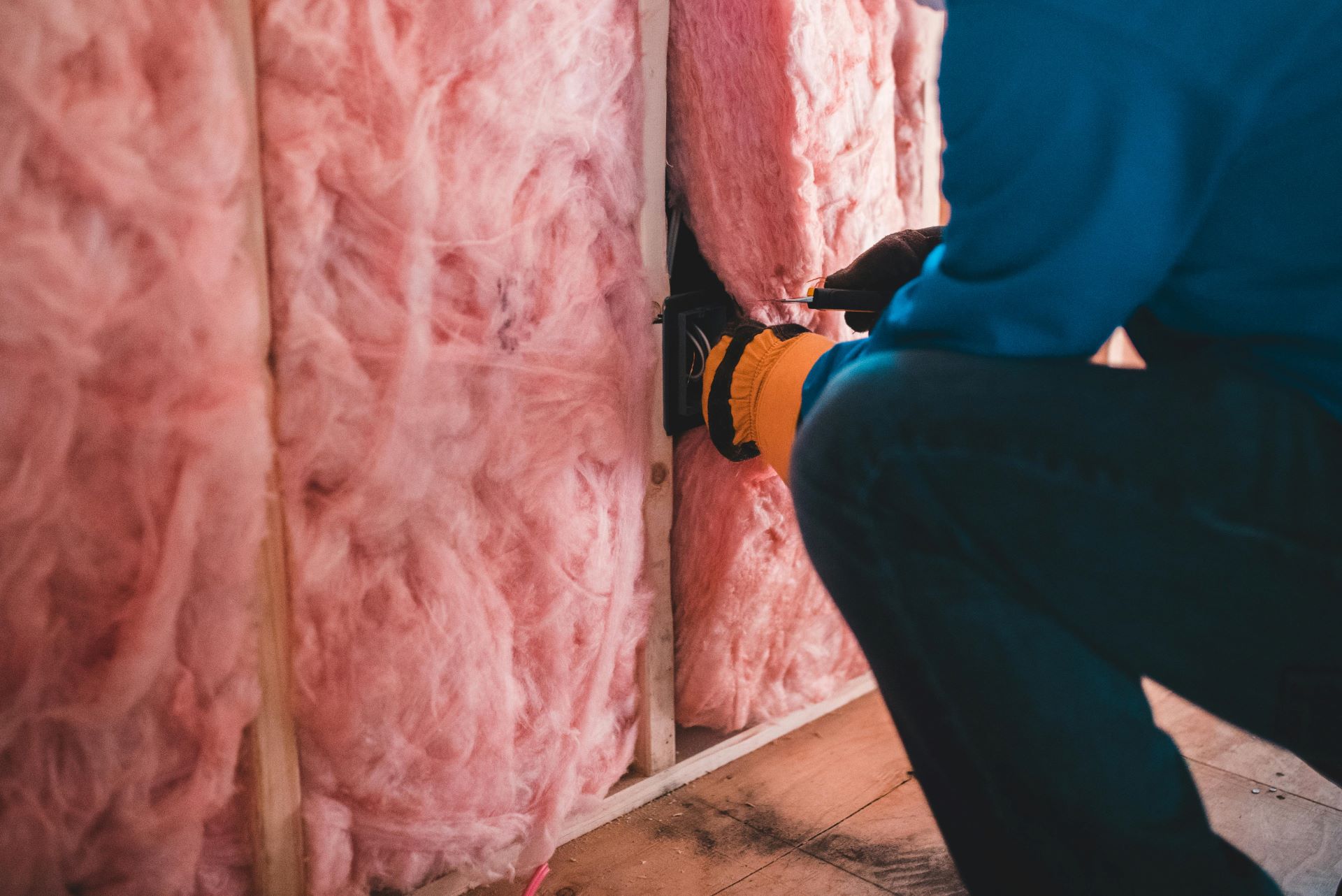
Fibreglass is widely used due to its affordability and effectiveness. It offers good thermal resistance and is relatively easy to install.
Cellulose insulation, made from recycled paper, is gaining popularity for its eco-friendly properties.
Rigid foam boards provide high insulation values but are more expensive and often used in specialised applications.
Reflective foil insulation is particularly effective in hot climates, as it reflects radiant heat away from the building.
The choice of material should consider:
• Climate conditions
• Budget constraints
• Installation requirements
• Fire safety ratings
Maintenance Considerations
Insulation is not a set-and-forget solution. Over time, it can degrade, shift, or become compromised.
Common issues include:
• Moisture damage from roof leaks
• Compression reducing effectiveness
• Pest infestations
Regular roof inspections are essential to ensure insulation remains functional. Maintenance is generally low-cost compared to the benefits it provides.
Proper installation plays a critical role in long-term performance. Poorly installed insulation can create gaps, reducing efficiency and negating potential savings.
The Role of Insulation in Sustainable Living
Sustainability is becoming an increasingly important consideration in South African construction. Insulation contributes directly to reducing a home’s carbon footprint.
By lowering energy consumption, it reduces reliance on fossil-fuel-generated electricity. This aligns with broader environmental goals and supports more responsible resource use.
Green building certifications and eco-conscious developments often prioritise insulation as a foundational element.
For homeowners, this translates into both environmental and financial advantages.
Property Value and Market Perception
While insulation is not as visible as a kitchen renovation, its impact on property value should not be underestimated.
Energy-efficient homes are becoming more attractive to buyers, particularly in a market where utility costs are a growing concern.
Features such as insulation, solar systems, and efficient appliances contribute to a perception of lower running costs.
In competitive markets, these factors can influence purchasing decisions and potentially justify higher asking prices.
Common Misconceptions About Insulation
Several misconceptions continue to limit the adoption of insulation in South Africa.
One is that insulation is only necessary in cold climates. In reality, it is equally important in hot conditions.
Another is that insulation makes homes too warm. Properly installed insulation regulates temperature rather than trapping heat.
There is also a belief that insulation is prohibitively expensive. While initial costs exist, the long-term savings often outweigh the investment.
Addressing these misconceptions is key to increasing adoption and improving overall housing quality.
Insulation and Load Shedding
Load shedding has introduced a new dimension to the insulation conversation. When power outages occur, homes lose access to heating and cooling systems.
Insulated homes retain their internal temperature for longer periods, providing a buffer against discomfort during outages.
This resilience adds another layer of value, particularly in areas where power interruptions are frequent.
In this context, insulation becomes not just a comfort upgrade but a practical necessity.
The Real Cost vs Comfort Equation
When evaluating insulation, the decision ultimately comes down to balancing cost against comfort and efficiency.
Upfront costs can be significant, particularly for larger homes or comprehensive insulation solutions. However, these costs are offset by:
• Reduced energy bills
• Improved indoor comfort
• Increased property value
• Enhanced resilience during power outages
The benefits extend beyond financial considerations, influencing quality of life in meaningful ways.
Is It Worth It?
For most South African homeowners, the answer leans strongly toward yes.
Ceiling insulation, in particular, offers one of the best returns on investment in residential construction. It is relatively affordable, easy to install, and delivers immediate benefits.
More comprehensive insulation solutions may require higher investment but provide greater long-term gains.
The key is to approach insulation as part of a broader strategy, one that includes ventilation, shading, and energy-efficient systems.
Final Thoughts
Insulation is no longer a luxury or a niche consideration. It is a practical response to rising energy costs, changing climate conditions, and evolving building standards.
In the South African context, where homes are often exposed to extreme temperature variations, insulation offers a simple yet powerful way to improve living conditions.
It turns homes from reactive shells into controlled environments, where comfort is not dictated by the weather outside.
The real question is not whether insulation is worth it, but how long homeowners can afford to go without it.